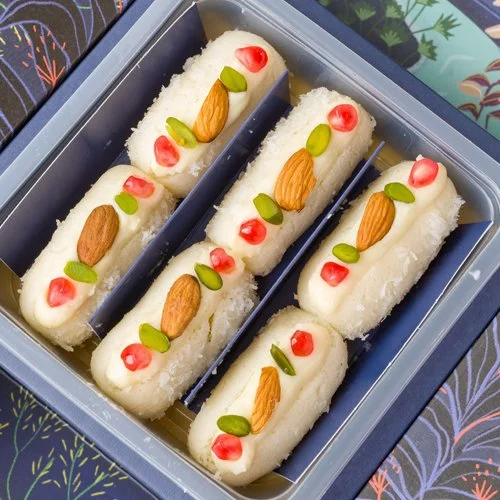
Out of all the fresh dairy components used in traditional Indian sweets, chhena is the most cherished and frequently relied-upon base among sweetmakers. Soft, moist, and delicately crumbly, it carries a gentle tang with a natural milky sweetness that feels light yet indulgent. When this chhena was perfected through careful curdling and patient whey separation, the goal was simple—to create a versatile, easy-to-work-with foundation that delivers consistent results every time.
Origin Of Chhena
Chhena’s story unfolds like a quiet transformation rather than a carefully planned recipe—shaped by chance, time, and tradition. In the 1930s, an accidental overbake in Dasapalla gave birth to Chhena Poda, a mistake that matured into a symbol of pride so deeply rooted that Odisha now commemorates it as Chhena Poda Dibasa. Decades earlier, in 1868, chhena began its shift from humble home kitchens to public affection when K.C. Das and his father Nobin Chandra Das, working from their shop in Calcutta, transformed rasgulla and sandesh into enduring icons, weaving chhena into the culinary identity of West Bengal and turning simple milk into a legacy that continues to resonate across generations.
Chhena Is the Backbone of Eastern Indian Sweets
Rather than being just another ingredient, chhena functions as the structural backbone of Eastern Indian confectionery, quietly supporting an entire tradition of sweets. This soft, unpressed, acid-set cheese—made from cow or buffalo milk—provides the strength beneath the softness, giving form to the airy textures and delicate aromas that define regional mithai. In Odisha and West Bengal, chhena is not merely used but relied upon, forming the base from which iconic sweets emerge and anchoring the culinary identity of the region much like a foundation sustains a well-built structure.
Traditional & Regional Chena Sweet Specialties
Rasgulla – The purest expression of chhena’s softness, where spongy balls act like little clouds, gently absorbing light sugar syrup and showcasing elasticity over richness.
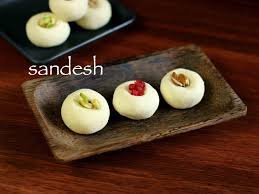
Sandesh – Chhena in its most refined form, slowly roasted to concentrate flavour, transforming milk into something poetic—sometimes firm, sometimes soft, and often enriched with jaggery for warmth and depth.
Cham Cham (Chomchom) – A stretched interpretation of chhena, shaped into oval forms and soaked in syrup, then finished with coconut or mawa, adding layers of texture and visual charm.
Pantua – Where chhena embraces contrast; soft within but deep-fried outside, creating a caramelised shell that balances sweetness with a distinct cheesy richness.
Chanar Jilipi (Chhena Jalebi) – A playful reinvention, spiralling chhena into jalebi-like shapes, fried to achieve a creamier, denser bite than its flour-based counterpart.
Shorbhaja & Sarpuria – The most indulgent avatars of chhena, built in layers of milk cream and cheese, traditionally prepared in Krishnanagar, where richness and heritage meet in every syrup-soaked bite.
Chhena Murki
Rather than being just another ingredient, chhena functions as the structural backbone of Eastern Indian confectionery, quietly supporting an entire tradition of sweets. This soft, unpressed, acid-set cheese—made from cow or buffalo milk—provides the strength beneath the softness, giving form to the airy textures and delicate aromas that define regional mithai. In Odisha and West Bengal, chhena is not merely used but relied upon, forming the base from which iconic sweets emerge and anchoring the culinary identity of the region much like a foundation sustains a well-built structure.
Garnishing Chhena Sweets
Choose toppings that balance the soft texture of chhena with light crunch.
Use aromatic elements like saffron and cardamom to enhance overall flavor.
Add visual accents such as nuts, rose petals, or silver leaf for appeal.
Keep quantities minimal to avoid overpowering the chhena base.
Match garnishes to the type of chhena sweet for the best result.
Shelf Life & Preservation of Chena Sweets
The longevity of chhena sweets depends on how thoughtfully their core elements are handled, much like balancing heat, aroma, and texture in a bold noodle dish. Because chhena is naturally high in moisture, careful control is essential to prevent spoilage while preserving softness. Refrigeration and airtight storage form the foundation for extending shelf life to about 4–10 days, while sugar syrup plays a protective role in sweets like rasgulla. Using high-quality, adequately fatty milk ensures better structure and taste, and proper whey drainage prevents excess moisture buildup. Traditional additions such as clove act as natural antimicrobials in baked items like chhena poda, while advanced methods like UHT processing or freezing support longer-term storage. When these practices work together, chhena sweets retain their richness, safety, and comforting appeal.
Preservation Techniques
Fresh chhena delivers the best texture and flavor, so handling and storage must be done with care. After straining, a gentle rinse helps control excess moisture without damaging its softness. Because chhena is highly perishable, it should be stored in airtight containers at 4–8°C and used within 2–3 days. For longer holding, kneaded portions can be frozen for up to a month, though fresh use is always preferred. Finished chhena sweets are best consumed within a week, making daily fresh production the ideal practice for maintaining quality, taste, and food safety.
Challenges
One common challenge with fresh cheeses is losing moisture and elasticity too quickly. This chhena, however, stays tender and pliable for hours. So what’s the secret? Controlled heat and gentle handling. Years of testing reveal that minimal pressing preserves its velvety texture, making it ideal for shaping rasgullas, kneading smooth sandesh, or crafting premium Bengali sweets that remain soft, flavorful, and melt effortlessly on the palate.